Roots in the Sewer Line of an Older Yard
Gurgling drains and a slowdown that keeps coming back usually mean roots in the lateral between the house and the main. A camera shows where and how bad. Jetting clears them out for a while. What lasts is repairing or replacing the joint or section the roots found their way into.
The call usually goes like this. The lowest toilet gurgles when the washer drains. The tub is slow, then fine, then slow again. Somebody snaked it last year and it worked for a few months. In older yards around Enchanted Lake and Kailua, where the lines have been in the ground a long time and the plantings have had years to grow, roots are one of the first things we look for.
The pattern roots leave behind
Roots rarely stop a line all at once. They come in as fine hairs through a gap, catch the paper and grease going by, and slowly build a mat. So the symptoms come on gradually, and in a fairly predictable order.
First the lowest drains in the house slow down, because they sit closest to the lateral. Toilets and tubs gurgle when another fixture drains, as air gets pushed back past the partial blockage. Big discharges make it worse: the washing machine emptying, several showers in a row, a full house over a holiday. Eventually water backs up at the lowest toilet or a floor drain.
The other clue is repetition. A clog that a cable clears, then returns on roughly the same schedule, is telling you something keeps growing back. In an older yard, that something is usually roots. A strip of lawn that stays greener or softer right over the line can point to the spot.
Why older laterals let them in
A sewer lateral is the pipe that carries everything from the house out to the main. Older lines were often laid in short sections joined end to end, and every joint is a place where the seal can loosen as the ground settles and shifts. Some older pipe also cracks or loses its shape with age.
Roots do not punch into sound pipe. They follow moisture. A joint that seeps a little warm, nutrient-rich water into the soil is exactly what a root is hunting for, and once one fine hair gets inside, it has water, food and nothing in its way.
That is why the problem shows up so often in yards with mature trees and big shrubs near the line, and why it keeps getting worse over time. Each season the root mass inside grows, and the gap it came through opens a little wider.
Camera first, then decide
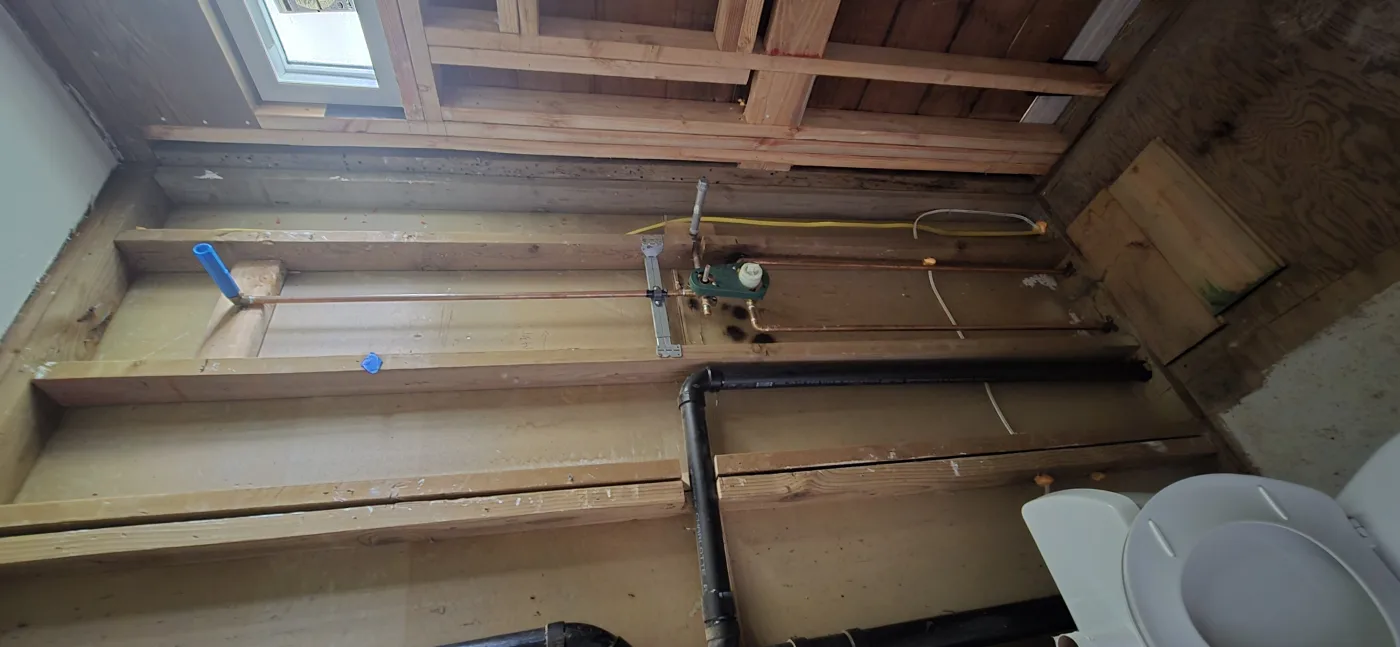
Before we cut, dig or quote a repair, a camera goes down the line. It goes in at a cleanout, or through a fixture when there is no cleanout, and it shows on a monitor what is really down there: roots at a joint, a crack, a low belly holding water, or a clean pipe with an ordinary clog.
The camera also tells us where. Roots at one joint partway out, compared with roots at every joint along the run, is the whole difference between a small repair and a bigger one. We show you the footage while we are there, so you are looking at the same picture we are when we talk about next steps.
Skipping this step is how people end up replacing a run that only needed one section, or clearing a line that is actually broken. If the camera shows a simple buildup instead of roots, our Kailua drain cleaning page covers that easier fix.
Jetting clears the line for a while
Once we know what we are dealing with, clearing the line is usually next. A cable with a cutting head can chew through roots. Hydro jetting goes further: high pressure water through a nozzle that cuts the root mass and scours the grease and debris packed around it off the pipe walls, so the full width of the pipe flows again.
It works well. Drains run fast, the gurgling stops and the backup goes away. We still want homeowners to hear the rest of it plainly. Jetting removes the roots inside the pipe. It does nothing to close the joint they came through, and the roots on the outside are still alive. They will grow back in.
For some lines, clearing on a schedule is a reasonable way to live, especially when the pipe is otherwise in good shape. Our hydro jetting page explains how that process works. For other lines the camera shows a joint that is separated, cracked or collapsing, and clearing it only buys time.
Repairing a section or replacing the run
When roots keep coming back through one bad joint and the rest of the lateral looks sound on camera, a section repair usually makes sense. We dig at that spot, cut out the damaged piece and the joint, and put in new pipe with tight couplings. The rest of the line stays where it is.
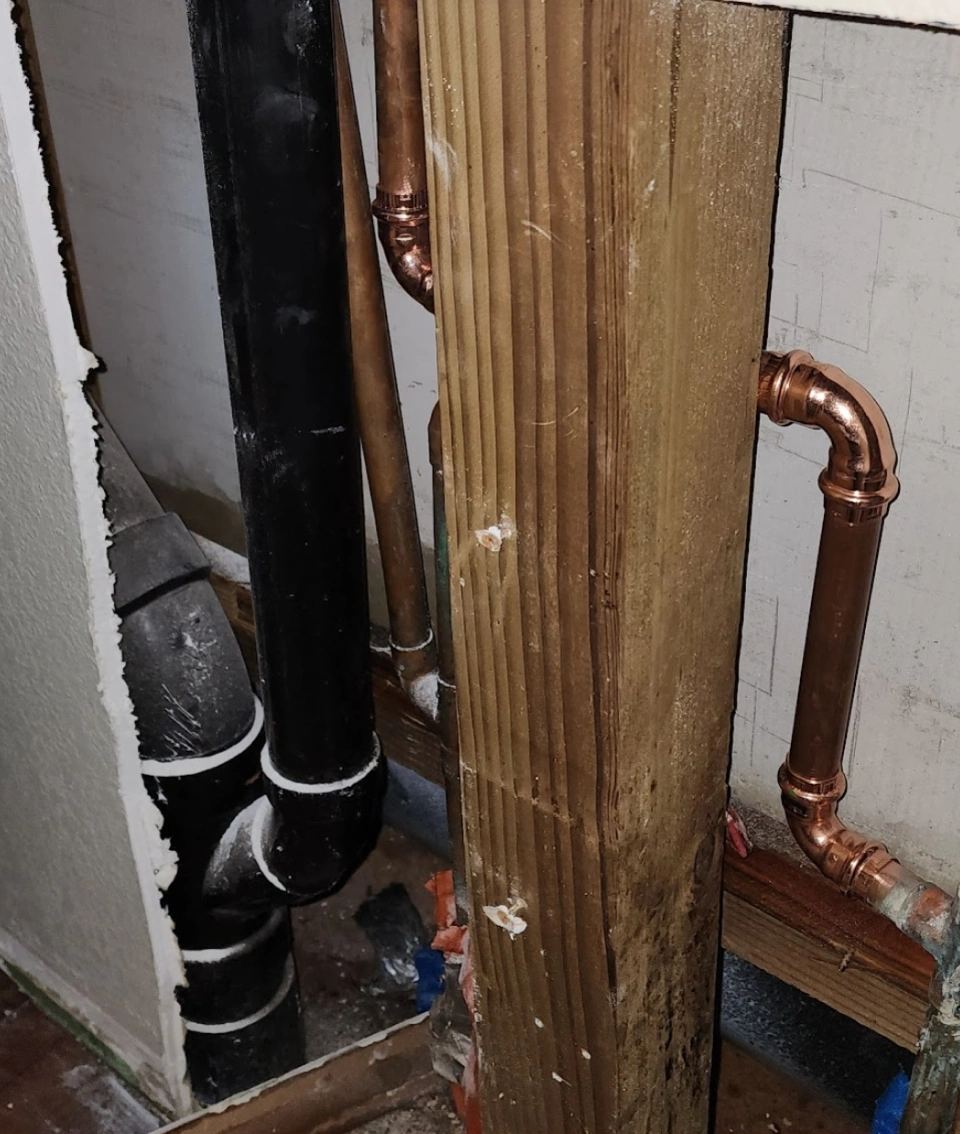
When the camera shows trouble at joint after joint, cracks along the length, or a belly where waste settles, fixing one spot at a time stops making sense. The next intrusion is a few feet past the last repair. Replacing the lateral is usually the better call at that point. Our sewer line repair page covers section work, and sewer line replacement covers the full run.
Either way, a cleanout near the house is worth adding if the line does not have one. It makes the next camera run or clearing simple. And if a tree right over the line started all this, know where the new pipe runs before you plant anything else on top of it. Drain work from other houses is pictured in our job photos.
Root questions from homeowners
Will root killer poured down the toilet fix it?
It can slow regrowth inside the pipe for a while, and some people use it between clearings. It does nothing for the cracked or open joint that let the roots in, so the problem comes back. Treat it as upkeep, never as the repair.
Does the tree have to come down?
Usually not. Fixing the joint or section the roots found is what keeps them out. A tree planted directly over the line may keep causing trouble, and whether it stays is a call for you and an arborist.
How do I tell a sewer line problem from a clogged drain?
If one sink is slow and everything else is fine, the clog is probably close to that fixture. If the lowest drains in the house slow down together and gurgle when the washer runs, the trouble is more likely in the main line or the lateral outside.
Roots are patient, and a line that has let them in once will keep letting them in until the opening gets fixed. Camera first, clear what needs clearing, then fix the joint that started it.
Gurgling drains in Kailua?
Tell us which drains slow down and when. We will run a camera, show you what is in the line and quote the fix in plain words before we dig.