
Water Around the Toilet Base Usually Means a Failed Seal
Water at the base after a flush, or a toilet that shifts when you sit, almost always means the wax seal underneath has failed. Caulk will hide the water and let it soak into the floor. The fix is lifting the toilet and resetting it on a new seal, after checking the flange and bolts.
“Paul quickly identified my toilet was leaking from a failed wax seal which was not visible to me. He fixed it immediately.” That is how one of our customers described a visit, and it covers this problem better than we could. The leak is underneath, you cannot see it, and the repair goes quickly once someone knows where to look.
If you are mopping a thin ring of water after flushes, watching a stain spread out from the base, or feeling the toilet shift under you, this is what is happening down there.
The wax ring only seals once
A toilet sits on a flange, a ring fastened to the floor around the drain opening. Between the toilet’s outlet and that flange is a thick ring of wax. When the toilet is set, its weight squashes the wax into a seal that holds flush water in and keeps sewer gas out.
Wax does not spring back. Once it gets pushed out of shape, by a toilet that shifted, by somebody standing on the rim to reach a shelf, or by bolts that worked loose over the years, the seal has a gap in it. Water from each flush seeps through that gap and spreads under the toilet.
Water is not the only sign. A failed seal can let a faint sewer smell out around the base, and grout that darkens in a half circle in front of the toilet is often water working its way out from underneath. Some people notice the floor feels cool or damp through socks on one side of the bowl before they ever see a puddle.
That is why tightening something almost never cures a leak at the base. The part that failed has to be replaced.
Loose bolts, a tired flange and the toilet that rocks
Two closet bolts come up through slots in the flange and hold the toilet down. When their nuts loosen, the toilet starts to rock, and every rock squeezes the wax a little flatter. If the flange itself is cracked, rusted through or sitting below the finished floor, the bolts have nothing solid to grip and a brand new seal will fail again soon.
A bathroom floor that has been retiled over an old one can leave the flange sitting too low, and the wax cannot bridge that gap for long. A repair ring or a flange extender usually fixes it without opening the floor. A broken flange gets replaced.
A toilet should not move at all. If yours moves even slightly, have it looked at before the seal gives up completely.
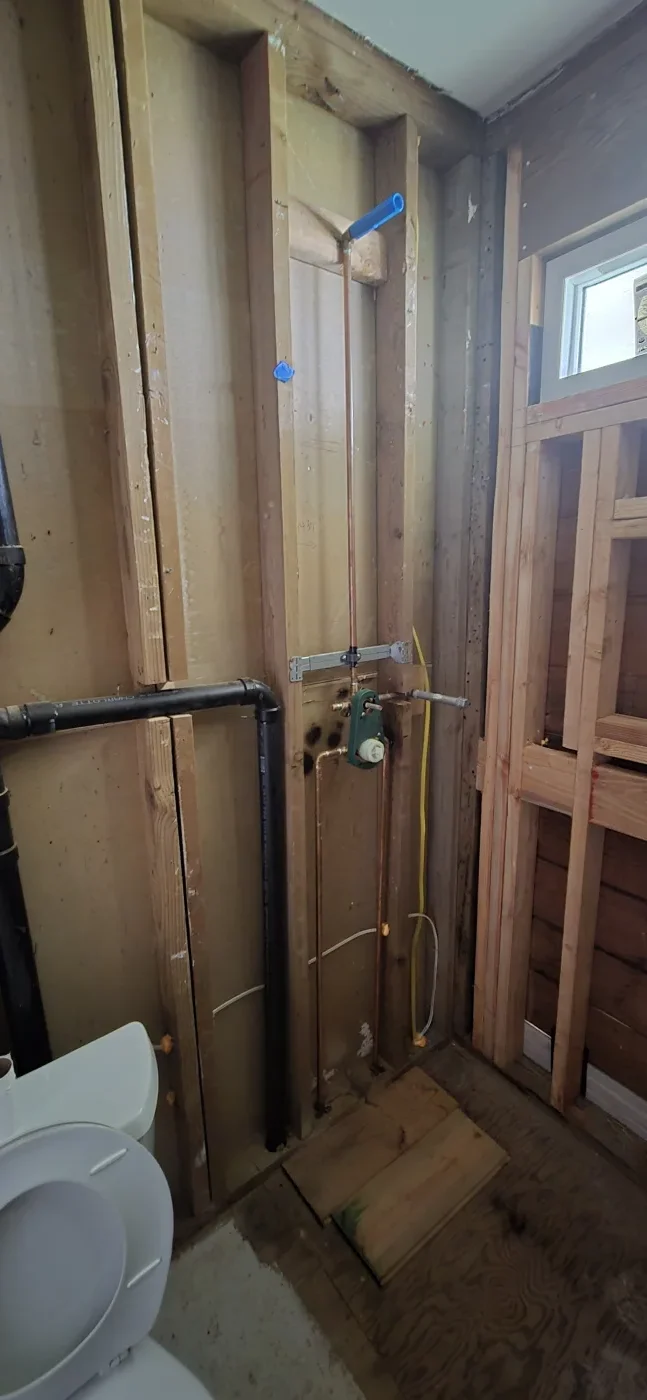
What a slow leak does to the subfloor
Water that slips past a failed seal does not stay on top of the tile. It works into the grout, then the underlayment, then the subfloor. For a while nothing looks wrong. Then the floor beside the toilet feels a little soft, tiles loosen or crack, and in a raised house the framing or ceiling below starts to stain.
A lot of Pearl City homes have been lived in for decades, and years of small leaks can reach the subfloor in a bathroom that age. By the time a floor is spongy, the job has grown from a new wax ring into cutting out rotted subfloor and replacing it before the toilet can go back down.
If you think water has been spreading for a while, our Pearl City leak detection page explains how we find out where it went without tearing up more floor than we have to.

Why caulking around the base hides the leak
The tempting fix is a bead of caulk around the base. It looks tidy, and the water stops showing on the floor. The leak keeps going. It has only lost its one way out, so it spreads under the toilet and into the subfloor where nobody sees it until the floor goes soft.
Caulk does have a place. It helps steady a toilet and keeps mop water from running underneath. Many plumbers leave a short gap at the back for exactly this reason, so a failing seal can still show itself. What caulk cannot do is seal the toilet to its drain. Only the wax ring, or a wax-free seal, does that.
Resetting a toilet, start to finish
A reset is the normal repair. We shut the water off at the stop behind the toilet, flush and sponge out the tank and bowl, disconnect the supply line and lift the toilet straight up. The old wax gets scraped off the toilet and the flange, and then we take a hard look at the flange, the bolts and the floor around the opening.
If the flange is sound, new closet bolts and a new seal go on, the toilet is lowered straight down and pressed evenly, and the nuts get snugged without cracking the china. A damaged or low flange gets repaired first. The supply line goes back on, often a new one, and we flush several times and check the base and every connection for water before we leave.
Our bathroom plumbing page covers toilets and the rest of the room, and leak repair covers water that has already reached other places. Pictures from past bathroom jobs are in our photo gallery.
Toilet leak questions
How do I know it is the seal and not the supply line?
Dry everything with a paper towel, then check the supply line, the shutoff valve and the bolts under the tank one at a time. If those stay dry and water shows up at the base after a flush, the seal is the likely cause.
Can we keep using the toilet until you get there?
Light use is usually fine if the water is a small ring and the floor feels firm. If the floor is soft or water spreads with every flush, stop using it and close the valve behind the toilet.
Is a wax-free seal better than wax?
Both work when the toilet is set correctly. A wax-free seal can be handy when the flange sits a little low or the toilet may need to come up again. We pick based on what we find under your toilet.
A damp ring at the base is the easy stage of this problem. A soft floor is the hard one, so do not let the first turn into the second.
Toilet rocking or wet at the floor?
Send us the leak: a photo of the base and the floor around it helps. We will tell you what we see and when we can be there.