
Why the Little Pipe on Your Water Heater Is Dripping
That pipe drains a safety valve. A drip means the valve opened because heat or pressure climbed too high, or the valve itself is worn. Never cap it. Work out which of the two it is, and if the heater is past ten years old, the answer often points toward a new one.
Most people find it by accident. You reach for something on the shelf near the water heater and there is a small puddle on the floor, or a slow drip from a pipe that comes off the side of the tank and runs down the wall. The hot water still works. Nothing else seems off.
That pipe belongs to the temperature and pressure relief valve, one of the few parts in a plumbing system whose whole job is to let water out when something goes wrong. The useful question is what went wrong.
What the relief valve is there for
A tank water heater is a closed container of hot water sitting under house pressure. If a thermostat sticks or the burner or element keeps running, the temperature and pressure inside keep climbing. With no way out, a tank in that state can fail hard. The relief valve is the way out. Once heat or pressure passes its setting, it opens and sends water down the discharge pipe until things settle.
That pipe is supposed to end low, a few inches off the floor or over a drain, so any hot water that comes out lands down there instead of spraying across a garage. Tankless and heat-pump units carry a relief valve as well, so you will find one on nearly every water heater on the island.
A drip means the valve is doing something. Sometimes it is doing its job. Sometimes it is just old.
Is it the heater, or is it the valve?
There are two broad causes, and they lead to different fixes.
The first is real heat or pressure. A thermostat turned up very high, a thermostat that is failing, or house pressure that spikes at certain hours can all push the valve open. The tell is a pattern. It drips after a long run of hot showers, or overnight, or right as the heater finishes a cycle, and then it stops.
The second is a worn valve. Inside is a spring and a seat, and over the years minerals and sediment settle on that seat. Once it cannot close tight, it weeps all the time, even when nothing in the system is out of range. A valve that sat untouched for years and then got its test lever lifted will sometimes never seat properly again.
We can thread a gauge onto a hose connection and watch the pressure while the heater runs. That reading, the heater’s age and the thermostat setting usually sort it out in one visit.
Thermal expansion and the tank that handles it
Water takes up more room when it heats. In a house with nothing on the main line, that extra volume pushes back out toward the street and nobody notices. Plenty of homes now have a pressure regulator or a check valve on the main, and those stop water from flowing backward. The system is closed, so every heating cycle has one place to put the extra water: up against the relief valve.
An expansion tank solves it. It is a small tank on the cold line near the heater with an air cushion inside that compresses to soak up the growth. Its air charge gets set to match the house pressure. If you already have one and the valve still drips, the tank may have lost its charge, or the bladder inside may have failed and let it fill with water. A waterlogged tank does nothing.
Knock on it near the top. A working tank sounds hollow there. A full one sounds solid all the way up. It is a rough test, and a decent first clue.
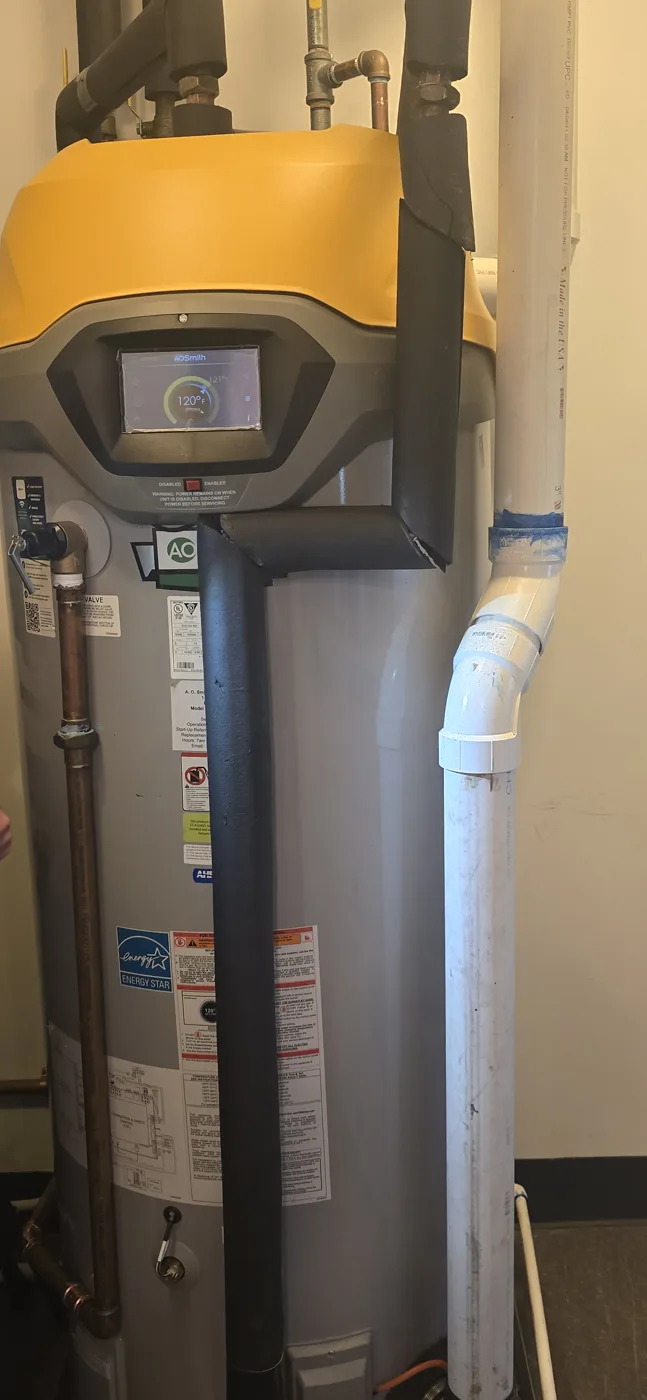
Never cap it, plug it or run it into a bucket and forget
We see it every so often. Someone tired of the puddle screws a cap onto the end of the discharge pipe, or jams a plug in it. Please do not. A capped relief valve leaves the water heater with no safety at all. If the thing that valve guards against ever happens, the tank has no way to let go of the pressure except by bursting.
Swapping in a lower-rated valve, or cutting the discharge pipe short so it ends high on the wall, belongs in the same category. The drip is a message, and blocking it only stops you from hearing it.
While you wait for us, set a pan under the open end of the pipe and leave the end clear. If water is coming out hot and hard, or the tank is popping and rumbling loudly, turn the heater off at its power or gas control and call.
When a dripping valve means it is time for a new heater
A new relief valve is a small repair. On a younger heater with normal pressure, replacing the valve and adding or recharging an expansion tank usually ends it. Our water heater repair page covers that kind of fix.
An older heater changes the picture. Pearl City has a lot of established homes with water heaters past the ten-year mark, and on those tanks the drip tends to show up with company: water that only gets lukewarm, rumbling from sediment on the bottom, a rusty tint in the hot water. A new valve on a tank that is already failing buys you a short stretch.
When we see that combination, we say so. Sometimes the honest answer is that the valve is fine and the heater is done.
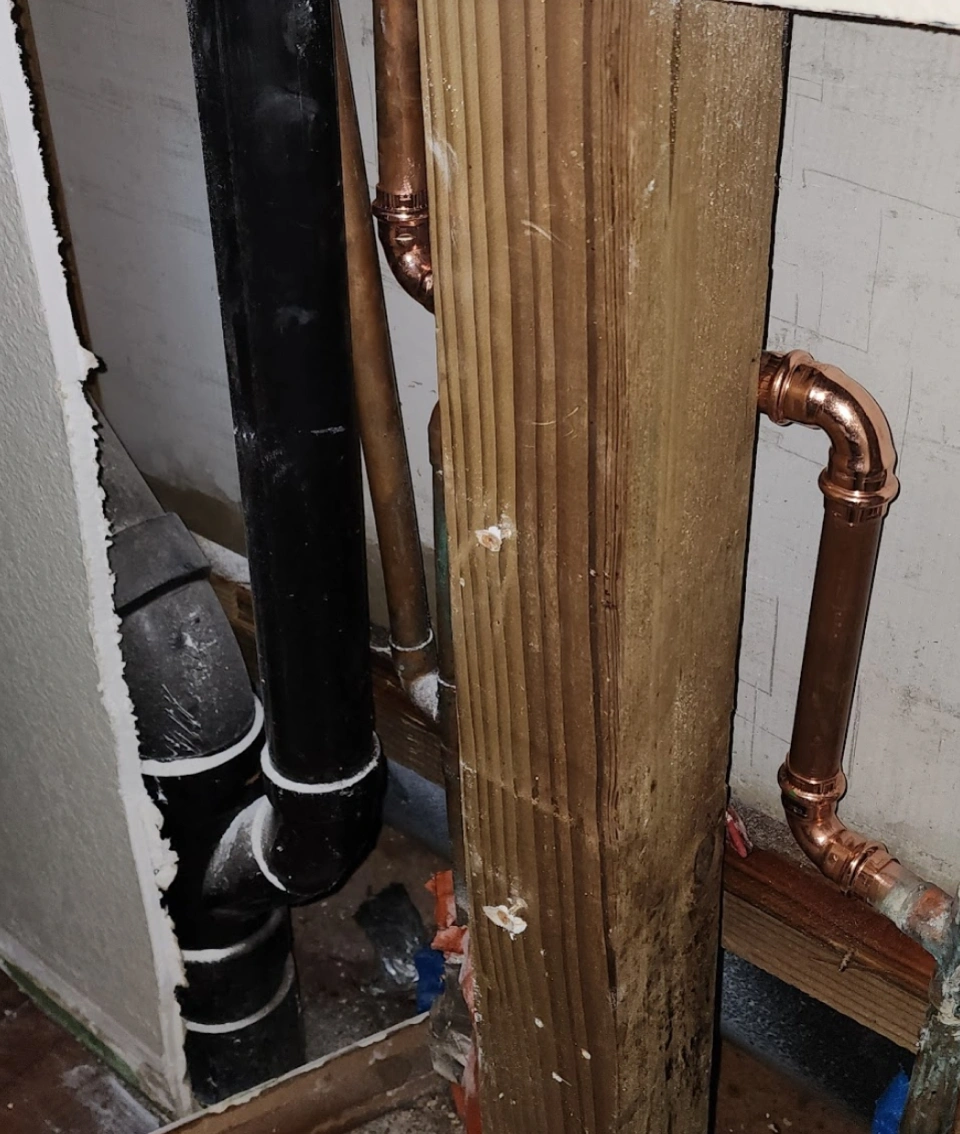
If replacement is where it lands, our Pearl City water heater installation page walks through tank and tankless options, and the water heater installation page covers sizing, strapping and the expansion tank. Photos from past jobs are in our photo gallery.
Relief valve questions
Can I test the relief valve myself?
Most valves have a small lever for testing. Lifting it should send a burst of hot water down the pipe, then close. A valve that has not been touched in years may keep dripping afterward, so be ready to replace it, and keep hands and feet clear of the pipe’s outlet.
Is a dripping relief valve dangerous?
The drip is the safe part, because it proves the valve can open. The danger is a valve that is capped, blocked or stuck shut. If it is gushing hot water or the heater is making loud noises, turn the heater off and call us.
Does a new water heater need an expansion tank?
If the house has a pressure regulator or a check valve on the main line, it needs one. We look at the main when we install and tell you whether your system calls for it.
A drip from that pipe is easy to ignore for months. Give it five minutes of attention this week, while it is still a small puddle and a simple question.
Water on the floor by the heater?
Send us a photo of the valve and the label on the tank. We are a short drive away and glad to make it.